
Right of First Refusal: Why Your Custody Schedule Needs This Clause
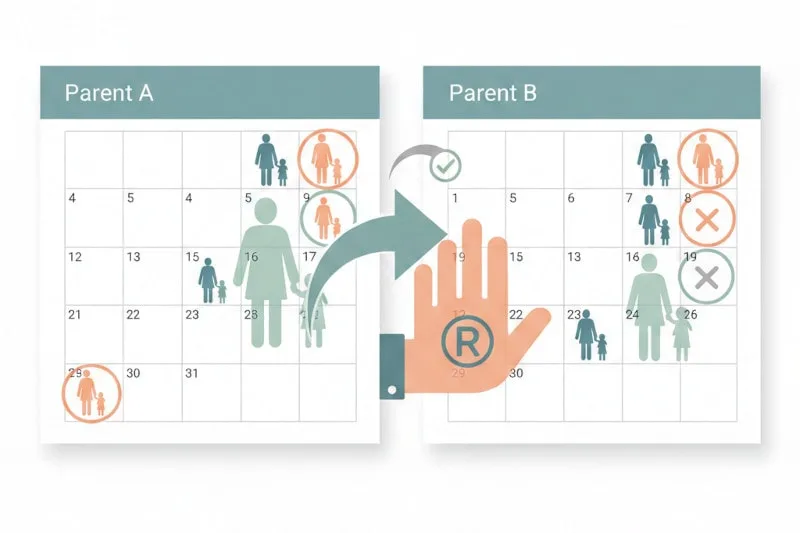
In right of first refusal child custody cases, one problem comes up again and again. A parent has to work late, travel, or deal with a schedule change—but instead of calling the other parent, the kids end up with a babysitter, a relative, or “whoever was already there.” The other parent is left feeling frustrated and cut out of time they were ready and willing to take. This is exactly why a Right of First Refusal clause matters—and why many Nevada custody schedules fall short without it.
If you’ve ever thought, “I could have had my kids, why wasn’t I even asked?” you’re not alone. This issue shows up constantly in post-divorce custody disputes, and it often creates resentment that builds over time. The good news? A properly drafted Right of First Refusal clause can stop this problem before it turns into a bigger conflict.
“But Grandma Is Already There!”
Here’s the typical scenario. One parent has parenting time but needs coverage for several hours—or overnight. Instead of calling the other parent, they leave the kids with a grandparent, new partner, or babysitter. Later, the other parent finds out and feels robbed of parenting time.
This is where many parents assume the law is on their side. Unfortunately, in Nevada, it usually isn’t—unless your custody order says so.
What Is the Right of First Refusal in Child Custody?
The Right of First Refusal (often called “The First-Call Rule”) is a custody clause that requires a parent to offer the other parent the chance to care for the children before using a third party.
In simple terms:
If you can’t be with the kids during your parenting time, you must call the other parent first.
The goal is straightforward—maximize parenting time with parents, not sitters.
How the Time Trigger Works in Nevada
A Right of First Refusal does not apply to quick errands or short absences. It’s usually triggered by a specific time window, such as:
- 4 hours
- 8 hours
- Overnight
- 24 hours
Nevada courts favor frequent associations with both parents, but they do not automatically include a right of first refusal in custody orders. Even in 2025, this clause must be clearly written into your decree to be enforceable.
No clause means no requirement to call you.
Is Right of First Refusal Right for Every Family?
Not always.
Benefits
- Maximizes parenting time
- Reduces childcare costs
- Keeps kids with parents whenever possible
Risks
In high-conflict situations, this clause can be misused to:
- Micromanage the other parent
- Create constant check-ins
- Fuel unnecessary disputes
The Grey Area: Regular Childcare
Right of first refusal usually does not apply to:
- Preschool
- Daycare
- Long-standing, routine childcare
Those exceptions should be clearly spelled out in the order.
Draft the Clause Carefully (Avoid the Vague Trap)
Vague language causes future fights.
Terms like “reasonable notice” or “reasonable time” sound fine—until you’re back in court arguing about what they mean.
A strong clause should clearly answer:
- How many hours trigger the right of first refusal?
- How much notice is required?
- Who handles transportation?
- Where does the exchange happen?
Specific answers now help waterproof your schedule later.
Using a documented parenting app or written messaging system also helps prove:
- The offer was made
- The offer was accepted or declined
This is especially helpful in parallel parenting situations.
FAQs About Right of First Refusal Child Custody
Protect Your Parenting Time
A Right of First Refusal can close the loophole in your decree that quietly gives away parenting time to sitters and relatives. When drafted correctly, it protects your relationship with your kids and reduces future conflict. When drafted poorly—or not at all—it creates frustration and resentment.
If your ex keeps leaving the kids with others, like babysitters, during their parenting time, or if you’re considering Nevada child custody decree updates, it may be time for a closer look.
Contact Smith Legal Group at 702-410-5001 to schedule your free consultation at our Henderson, NV office. We’ll review your custody schedule and see whether adding a Right of First Refusal is the right move for your family.
Disclaimer: The information in this blog post is provided for general informational purposes only, and may not reflect the current law in your jurisdiction. No information contained in this blog post should be construed as legal advice. No reader of this post should act or refrain from acting on the basis of any information included in this blog post without seeking the appropriate legal or other professional advice on the particular facts and circumstances at issue.